Save big on select tools today!

Best Measuring Tools for Accuracy: Fix Common Mistakes in DIY, Woodworking & Drafting
Struggling with inaccurate measurements? Discover the best measuring tools for precision in DIY, woodworking, and drafting—and how to choose the right ones.
4/7/20262 min read
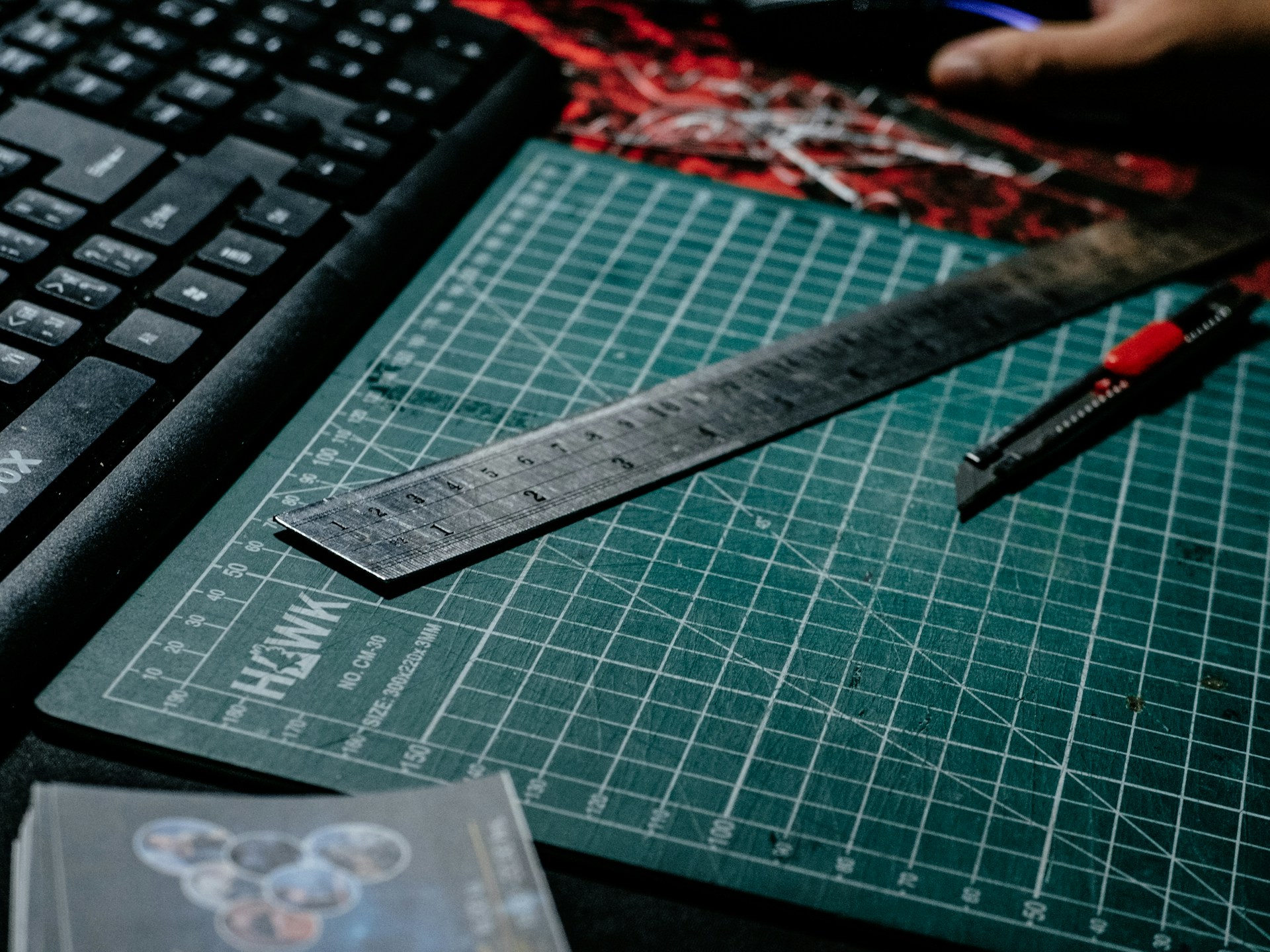
Why Your Measurements Are Inaccurate (And It’s Not Your Fault)
If your cuts don’t align, your drawings look slightly off, or your projects require constant rework — the issue usually isn’t your skill.
It’s your tools.
Most people rely on basic plastic rulers or generic measuring tools that:
Slip while marking
Wear down over time
Have fading or unclear markings
Lack support for angle measurements
These small flaws lead to:
Crooked cuts
Misaligned furniture
Wasted materials
Time-consuming corrections
If this sounds familiar, you’re dealing with a tool problem, not a technique problem.
The First Fix: Use a Non-Slip Metal Ruler for Straight-Line Accuracy
Why a Standard Ruler Fails
Plastic rulers may seem convenient, but they often:
Move while drawing or cutting
Warp over time
Lose marking visibility
What Makes a Precision Ruler Better
A non slip metal ruler solves these issues immediately:
Cork backing prevents slipping → Keeps lines straight and stable
Stainless steel body → No bending, long-term durability
Engraved markings → Never fade or wear off
Dual measurement system → Inches + centimeters for flexibility
👉 Upgrading to a precision stainless steel ruler is one of the easiest ways to improve accuracy in any project.
The Second Fix: Use a Multi-Angle Measuring Tool Instead of Guessing
Why Angle Errors Ruin Projects
Even a small mistake in angles can lead to:
Unstable structures
Poor alignment
Material wastage
Manual angle estimation is unreliable — especially for repeat work.
What a Multi-Angle Tool Solves
A multi angle measuring tool (carpenter square) gives you:
Pre-defined angles (22.5°, 45°, 60°, 90°)
Scribing holes for repeat markings
Multi-purpose functionality (layout, measuring, marking)
This removes guesswork and ensures consistent, repeatable precision.
Who Needs Accurate Measuring Tools?
You don’t need to be a professional to benefit from better tools.
These are essential if you:
Do DIY home improvement projects
Work in woodworking or carpentry
Study architecture or engineering
Create technical drawings or layouts
Want clean, professional results
Using the right measuring tools can significantly improve both speed and accuracy.
Best Measuring Tools Checklist for Precision Work
If you want to eliminate measurement errors, your toolkit should include:
✔ Non slip stainless steel ruler
✔ Multi angle measuring square
✔ Clear, engraved measurement markings
✔ Durable materials (metal over plastic)
These tools ensure:
Better accuracy
Faster workflow
Less rework
Professional-level results
Stop Measuring Twice — Start Measuring Right
Most people try to improve accuracy by being extra careful.
But the real solution is simpler:
Use tools designed for precision.
When your ruler doesn’t slip
When your angles are exact
When your markings stay visible
You don’t just work harder — you work smarter.
Final Thoughts: Small Tool Upgrade, Big Results
Precision isn’t about perfection.
It’s about removing the small errors that ruin your work.
And often, the fastest way to do that is by upgrading your measuring tools.
Because when your tools are accurate — your results follow.